
What Exactly is “Normal Wear and Tear?”
April 17, 2026
What Exactly is “Normal Wear and Tear?”
Key Takeaways:
-Normal wear and tear is inevitable and results from everyday use over time—not tenant negligence or misuse.
-Property damage is distinct: it’s typically sudden, preventable, and caused by neglect, abuse, or unauthorized changes.
-Clear expectations and balanced responsibility help landlords avoid unfair costs while protecting tenant rights.
-Consistent documentation (move-in/out inspections, photos, checklists) is essential for minimizing disputes and proving accountability.
Every rental property changes over time. Floors lose their shine, paint fades, and fixtures gradually show signs of use. For landlords, the challenge is not whether this happens, but how to classify it.
The distinction between “normal wear and tear” and actual damage is one of the most common sources of tension between property owners and tenants. It directly affects maintenance decisions, security deposit deductions, and, in some cases, legal disputes.
Understanding where that line is, and how to manage it, can help you protect your investment while maintaining fair and professional tenant relationships. Let J.Butler Property Management show you how.
The Nature of Wear Over Time
No matter how well a property is maintained, gradual deterioration is inevitable.
Normal wear and tear refers to the expected decline in condition that results from everyday living. It reflects time, usage, and occupancy, not neglect or misuse. A unit that has been lived in for several years will naturally look different from one that has just been renovated.
This type of change is not a failure of upkeep. It’s simply the cost of operating a rental property. It’s a natural part of long-term use.
Over time, these subtle shifts accumulate. A door may not close as smoothly, surfaces may lose their finish, and materials may age in ways that can’t be reversed without routine updates. Recognizing this as part of the lifecycle of a property helps set realistic expectations.
Common Signs of Normal Wear and Tear
While each property is different, there are consistent patterns that indicate standard use rather than damage.
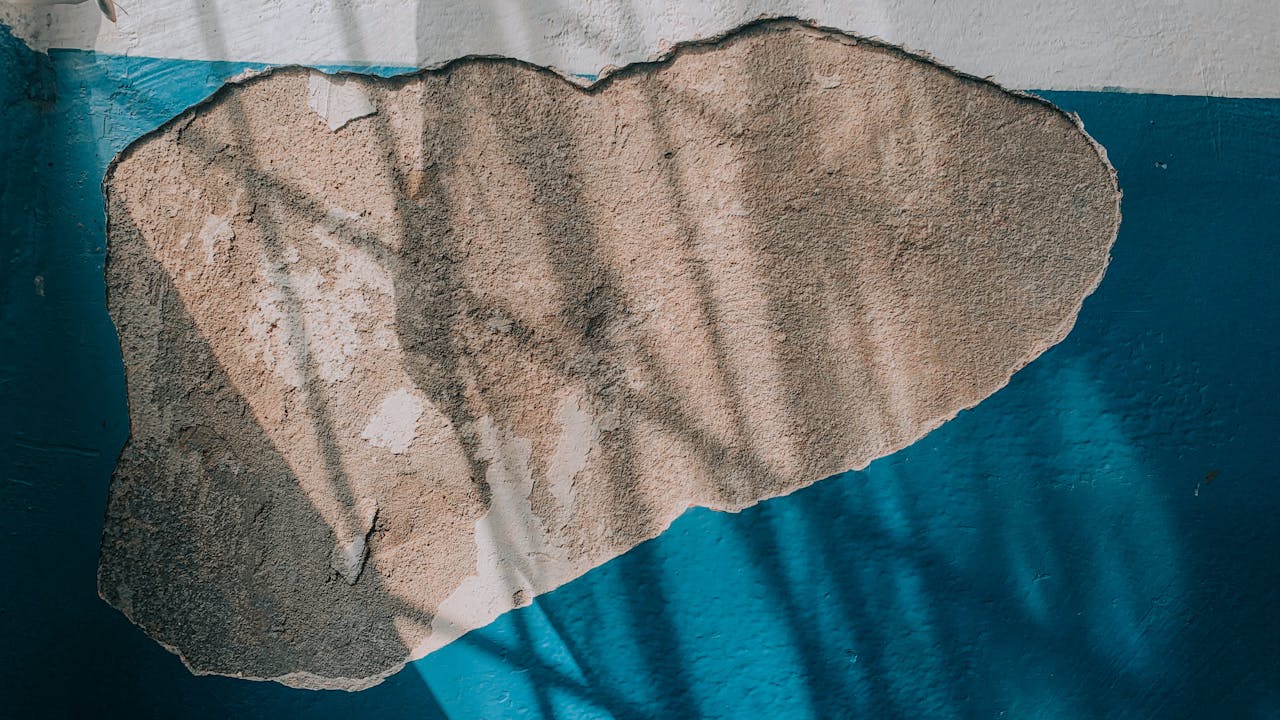
Typical examples include:
-Fading paint or minor scuffs on walls.
-Light wear on flooring from regular foot traffic.
-Slight discoloration in grout or fixtures.
-Loose handles, hinges, or hardware from repeated use.
-Appliances showing reduced efficiency over time.
These conditions develop gradually and are generally unavoidable. They do not point to carelessness, but rather to consistent occupancy. For Massachusetts landlords, acknowledging these changes as part of routine ownership helps avoid unnecessary disputes and keeps tenant expectations aligned.
When It Crosses Into Property Damage
Not all deterioration is considered normal. Damage goes beyond everyday use and usually results from neglect, misuse, or preventable incidents. Unlike wear and tear, it often appears suddenly or is significantly more severe than expected for the length of tenancy.
Examples of damage may include:
-Large holes or unauthorized alterations to walls.
-Broken fixtures or doors caused by impact.
-Extensive stains, burns, or damage to flooring.
-Missing or heavily damaged appliances.
-Unapproved modifications that alter the property’s condition.
These situations typically require repair or replacement beyond routine maintenance and may justify deductions from a tenant’s security deposit.
The key difference lies in intent and severity. Wear happens naturally. Damage is avoidable.
Where the Line Is Drawn
For landlords, one of the most important responsibilities is maintaining a habitable living environment. This includes addressing issues that arise from normal use. As components age or wear down, repairs and replacements fall under the owner’s scope of responsibility.
At the same time, tenants are expected to treat the property with reasonable care. When damage occurs due to negligence or misuse, the financial responsibility may shift to them. This balance is essential. It ensures that:
-Tenants are not unfairly charged for natural aging.
-Landlords are not absorbing costs caused by preventable damage.
-Both parties understand their roles clearly.
-Maintaining this clarity reduces friction and supports a more stable rental experience.
The Role of Documentation in Avoiding Disputes
One of the most effective ways to manage wear and tear is through consistent documentation. Without a clear record of the property’s condition, it becomes difficult to determine when damage occurred, or who is responsible for it. This is where structured inspections become valuable. A strong documentation process includes:
-Conducting a detailed move-in inspection with the tenant.
-Taking photos or videos to capture the initial condition.
-Creating a checklist that both parties acknowledge.
-Performing a similar inspection at move-out.
This approach creates a clear timeline of changes. If disagreements arise, you have objective records to refer to rather than relying on memory or assumptions. It also sets expectations early, which can encourage tenants to take better care of the property.
Preventing Excess Damage Through Better Systems
While wear and tear is unavoidable, excessive damage often isn’t. Preventing issues starts before a tenant even moves in. A structured screening process helps identify renters who are more likely to respect the property and follow lease terms.

In addition, ongoing management practices make a difference:
-Responding promptly to maintenance requests.
-Conducting periodic inspections.
-Communicating expectations clearly.
-Keeping the property in good working condition.
These steps reduce the likelihood of small issues escalating into larger problems. Over time, a proactive approach not only preserves the property but also contributes to better tenant relationships.
A More Structured Way to Approach Property Condition
Rather than viewing wear and tear as a problem, it’s more productive to treat it as a predictable part of property management. By understanding how materials age, setting clear expectations, and documenting changes consistently, landlords can manage this aspect of ownership with greater confidence.
In Massachusetts, where regulations and tenant protections are well-defined, clarity and consistency are especially important. They help ensure compliance while reducing the risk of disputes. When handled properly, wear and tear becomes less of a gray area and more of a manageable, routine part of operations.
Ready to Simplify Rental Property Management?
Understanding the difference between normal wear and tear and actual damage is just one part of managing a rental property effectively. From inspections and documentation to tenant communication and maintenance, each step plays a role in protecting your investment.
J.Butler Property Management can help you implement structured systems, handle day-to-day operations, and ensure that your property is managed consistently and in line with local regulations. If you’re ready to take a more organized and strategic approach to managing your Massachusetts rental property, consider partnering with a team that understands your market.
Get in Touch
 2500 MAIN ST #105
TEWKSBURY, MA 01876