

Becoming a DIY Landlord? 7 Mistakes to Avoid
May 25, 2026
Becoming a DIY Landlord? 7 Mistakes to Avoid
Key Takeaways:
– DIY landlords often underestimate the time, legal knowledge, and organization required to successfully manage a rental property.
– Thorough tenant screening, accurate rental pricing, and proactive maintenance are critical to protecting your investment and avoiding costly mistakes.
– Poor record-keeping and failure to follow landlord-tenant laws can lead to financial loss, disputes, and legal complications.
– Professional property management can reduce stress, improve efficiency, and help landlords avoid common self-management pitfalls.
Many first-time landlords begin with the idea that handling leasing, maintenance, and tenant communication themselves will be straightforward. In some cases, it can work well, especially for owners with time, organization, and a strong understanding of rental operations.
However, self-managing a property also comes with responsibilities that are often underestimated. Small mistakes can quickly become expensive problems if they are not handled properly.
For landlords considering the DIY route, understanding the most common mistakes can help avoid unnecessary stress and protect the long-term performance of the property. Partner with J. Butler Property Management to eliminate the risk of these mistakes.
1. Failing to Screen Tenants Thoroughly
One of the biggest mistakes inexperienced landlords make is rushing the tenant screening process. Filling a vacancy quickly may feel urgent, but placing the wrong tenant can create far more costly problems later.
A proper screening process should include reviewing income, rental history, background information, and references. Skipping these steps increases the risk of late payments, lease violations, property damage, or eviction issues.
Good tenants are one of the most important factors in a successful rental property. Careful screening helps create a more stable and predictable rental experience from the beginning.
2. Underestimating Maintenance Responsibilities
Many first-time landlords underestimate how much ongoing maintenance a rental property requires. Repairs do not stop after a tenant moves in, and maintenance requests can happen unexpectedly.
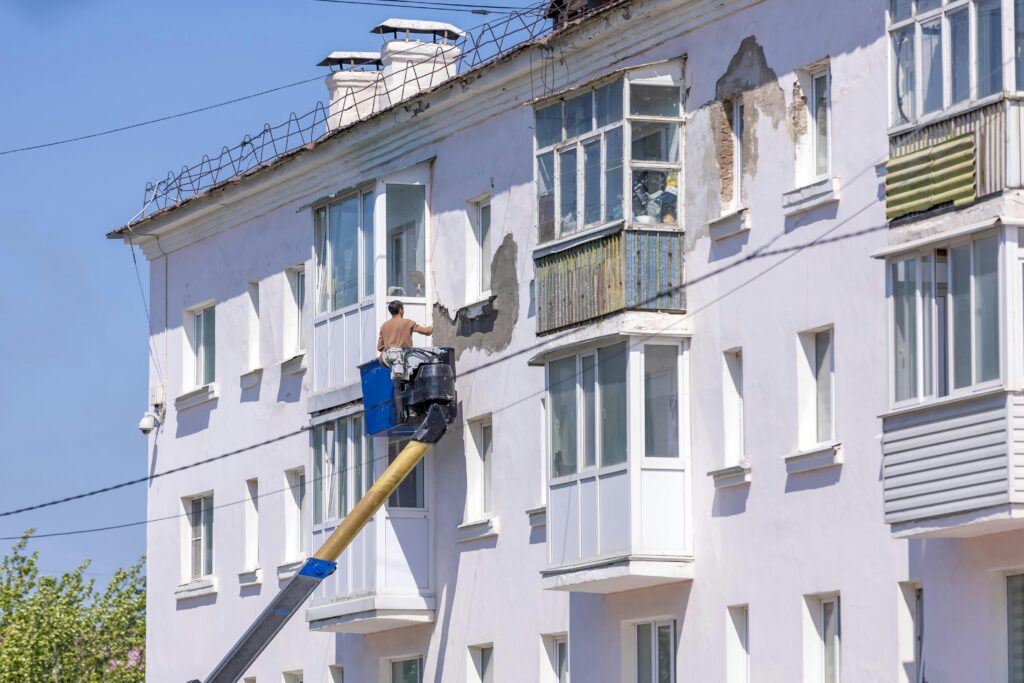
Ignoring small issues often leads to larger and more expensive repairs later. A leaking pipe, damaged flooring, or HVAC issue can escalate quickly if it is not addressed promptly.
DIY landlords should also remember that maintenance emergencies rarely happen at convenient times. Being a DIY landlord means being responsible for repairs, and you must be able to respond and address issues during evenings, weekends, or holidays if necessary.
3. Setting the Wrong Rental Price
Pricing mistakes can hurt a rental property in different ways. Setting rent too high may cause the property to sit vacant longer, while pricing too low can reduce long-term income potential.
Rental pricing should be based on current market conditions, comparable properties, location, condition, and demand. Many inexperienced landlords rely too heavily on personal assumptions rather than actual market data.
Accurate pricing helps attract qualified tenants while minimizing unnecessary vacancy periods.
4. Treating the Rental Like Personal Property
Once a property becomes a rental, decisions should be made from a business perspective rather than an emotional one. Some DIY landlords become overly attached to the property and make decisions based on personal preferences instead of legal or market realities. Others hesitate to enforce lease terms because they want to avoid uncomfortable conversations.

Professional and consistent decision-making is important for protecting both the property and the landlord-tenant relationship.
5. Overlooking Legal Requirements
Landlord-tenant laws cover far more than most new landlords realize. Security deposits, notices, fair housing compliance, lease agreements, maintenance obligations, and eviction procedures all have legal requirements that must be followed carefully.
Laws can also change over time, so DIY landlords should stay informed about all applicable state and local regulations affecting rental properties.
A mistake involving improper notices, discrimination, retaliation or mishandled deposits can create significant legal and financial consequences.
6. Failing to Keep Proper Records
Good recordkeeping is essential for rental property management. Some landlords rely too heavily on informal communication, incomplete financial tracking, or verbal agreements, which by law must be followed by written copy.
Keeping organized records helps document rent payments, maintenance requests, inspections, lease agreements, notices, and repair expenses. This becomes especially important if disputes arise or legal documentation is needed later.
Well-maintained records also make financial management and tax preparation much easier over time.
7. Assuming Self-Management Will Always Save Money
Many landlords begin self-managing because they want to avoid management fees. However, mistakes caused by inexperience can sometimes cost far more than professional management itself.

Long vacancies, poor tenant placement, legal errors, delayed maintenance, or inconsistent lease enforcement can all affect profitability. Managing a rental successfully requires time, organization, and knowledge.
For some property owners, self-management works well. For others, the operational demands eventually become overwhelming, especially as responsibilities grow.
Signs DIY Landlording May Not Work for You
Some landlords discover over time that self-managing is harder to sustain than expected. Before the burnout becomes too much, get in touch with J. Butler Property Management.
Common warning signs include:
– Constant stress from tenant communication.
– Difficulty keeping up with maintenance requests.
– Frequent vacancies or tenant turnover.
– Trouble staying organized with paperwork and finances.
– Uncertainty about legal compliance.
– Limited personal time due to property responsibilities.
Recognizing these signs early can help landlords avoid burnout and protect the long-term performance of the property.
Final Thoughts
Professional property management provides structure and consistency that many DIY landlords struggle to maintain long-term.
Property managers handle marketing, tenant screening, lease administration, maintenance coordination, inspections, rent collection, and legal compliance. This helps reduce operational stress while improving overall efficiency.
They also bring market knowledge and experience that help landlords avoid common mistakes. From pricing strategy to tenant retention, professional oversight often improves both property performance and tenant satisfaction.
For landlords balancing careers, families, or multiple responsibilities, having professional support can make rental ownership significantly more manageable.
If managing everything yourself becomes overwhelming, working with a professional property management company can help simplify operations and protect your property over the long term. Contact J. Butler Property Management for assistance.
Get in Touch
 2500 MAIN ST #105
TEWKSBURY, MA 01876