

What to Do if the Deposit Doesn’t Cover Unpaid Rent?
August 21, 2026
What to Do if the Deposit Doesn’t Cover Unpaid Rent?
Key Takeaways
-Review the lease and rent ledger first so you know exactly what remains unpaid and what your agreement allows you to pursue.
-Keep detailed records of rent balances, property condition, deductions, repairs, and communications in case the remaining debt is disputed.
-Follow Massachusetts security deposit requirements carefully because errors in handling the deposit can create additional financial exposure for landlords.
-If the deposit does not cover the balance, consider a documented repayment arrangement or appropriate legal collection options rather than treating the deposit as the end of the process.
-A property manager can help landlords stay organized with leasing, financial administration, and day-to-day property management while reducing the burden of handling collection issues alone.
Have you ever walked away from a move-out inspection only to realize the security deposit barely makes a dent in the unpaid rent left behind? It is a frustrating situation that catches even the most seasoned rental property owners off guard. You counted on those funds to protect your investment, but now you are staring at a financial gap.
Navigating this tricky scenario requires a solid strategy and a clear understanding of your legal options. If you are a Massachusetts rental property owner feeling overwhelmed by this exact dilemma, let J. Butler Property Management step in to handle the heavy lifting and protect your bottom line.
A Practical Playbook for Recovering Unpaid Rent When the Security Deposit Falls Short
When a tenant moves out owing money and the security deposit falls short, landlords need a clear recovery plan. Follow these eight essential, actionable steps to recoup your losses effectively:
Revisit Your Lease Agreement for Unpaid Rent Clauses
When you realize the deposit falls short, your first move is pulling out the original lease. This document is the legal backbone of your Massachusetts rental business. It dictates exactly what happens when a tenant breaks their agreement, outlines specific late fee policies, and confirms your right to pursue the remaining balance.
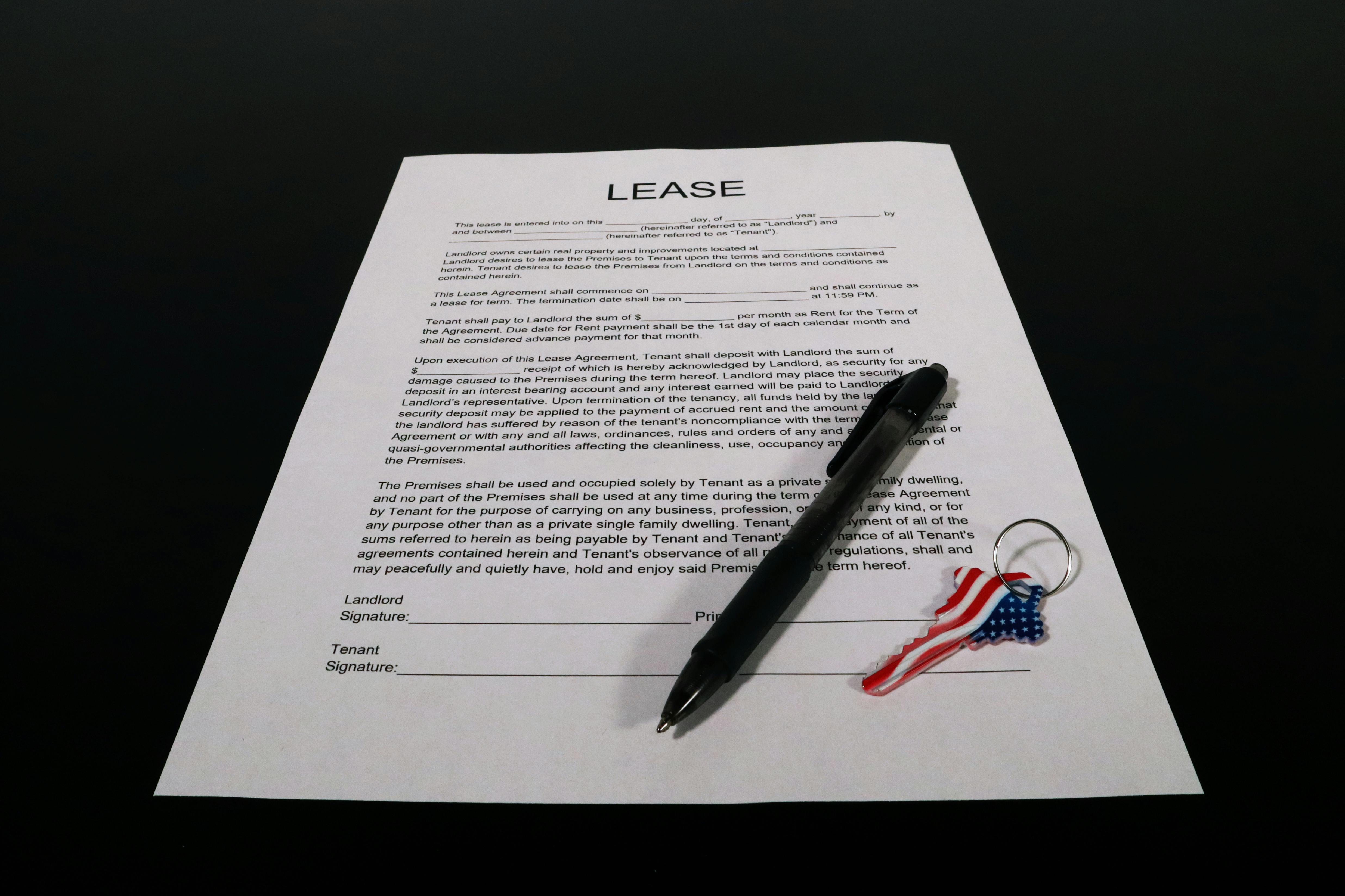
Sit down and read through the financial clauses with a highlighter. Look specifically for the default terms, the exact wording on rent due dates, and any outlined penalties. You want to highlight the exact passages in your lease agreement that authorize you to collect the remaining debt so you can reference them clearly in your next communications.
Build a Solid Paper Trail of the Debt and Damages
Having a solid paper trail is your best defense when a tenant leaves owing money. Thorough documentation proves the unpaid rent is legitimate and shows you handled the move-out process professionally.
Lacking clear clear records is a mistake. You have no factual basis to demand money, making it incredibly difficult to justify your claims if the tenant disputes them.
Gather your rent ledger showing every missed payment, alongside the signed move-in and move-out inspection reports. Take detailed photographs of any property damage beyond normal wear and tear.
Keep all these records organized in a single digital or physical folder so you can easily present the exact financial gap left by the tenant.
Issue a Formal Demand for the Remaining Balance
A formal demand letter serves as a professional wake-up call to a former tenant. It shifts the conversation from a casual text to a serious legal matter.
Sending this notice is important because it shows you are prepared to take further action, which is often enough to prompt a response or even an immediate payment arrangement.
Draft a clear, concise letter stating the total amount owed, explicitly noting that the security deposit was already applied to the balance.

Demand payment for the remaining debt by a specific date. Mail this document via certified mail with a return receipt requested, ensuring you have legal proof that the tenant actually received your notice.
Follow Massachusetts Deposit Laws to the Letter
Massachusetts has some of the strictest security deposit laws in the country, and failing to follow them can completely backfire on you. Compliance is critical because even a minor paperwork error can result in you losing the right to keep the deposit altogether.
You could even face triple damages, turning a financial loss into a much larger penalty.
You must provide the tenant with an itemized list of all deductions within thirty days of their move-out. Send this statement to their forwarding address via first-class mail, including any receipts for repairs. Double-check that you included the proper interest and did not make any illegal deductions, such as charging for normal wear and tear.
Propose a Realistic Repayment Schedule
When a former tenant lacks the funds for a lump sum, negotiating a payment plan becomes your most practical tool for actually recovering your money. Taking a tenant to court costs valuable time and filing fees, so reaching a mutual agreement helps you recoup losses without the stress of litigation, especially if you already have a good rapport with your tenant.

Contact the tenant to propose a realistic weekly or monthly payment amount based on their current financial situation. Put every agreed-upon term into a clear written contract, including exact dates and total amounts due. Have both parties sign this document to make it legally binding, giving you immediate recourse if they default.
Pursue Legal Action in Small Claims Court
If your demand letters and payment plan offers are ignored, small claims court is your next logical step. This venue is designed specifically for landlords to resolve financial disputes quickly and affordably. It provides a formal legal setting where a judge can officially recognize the debt owed to you.
Visit your local Massachusetts district court to file a statement of claim and pay the required filing fee. Gather your lease, the itemized deduction list, and your certified mail receipts as evidence. During the hearing, present your facts clearly and concisely to the clerk or judge, avoiding emotional language while sticking to the financial facts.
Enforce Your Court Judgment Through Collections
Winning your case in court gives you a legal judgment, but this piece of paper does not automatically put cash in your bank account. Understanding how to enforce this judgment is vital, as it empowers you to legally pursue the tenant’s assets, wages, or bank accounts to finally satisfy the unpaid debt.
You can start by requesting a wage garnishment through the court, which forces the tenant’s employer to send a portion of their paycheck directly to you. Alternatively, you can file for a bank levy to freeze and seize funds from their accounts. Both processes require specific legal forms and a bit of patience to execute properly.
Safeguard Future Rentals With Expert Property Management
Preventing a massive unpaid rent gap in the future is always easier than chasing down a former tenant.
Working with a dedicated property management professional brings a layer of protection to your business. They utilize rigorous screening processes to ensure you only accept financially reliable applicants, drastically reducing your risk from day one.
A thorough property manager will run comprehensive background checks, verify employment income, and analyze past rental histories before approving any application. They also handle the daily accounting, ensuring late fees are applied immediately and lease violations are addressed promptly. This proactive approach stops small issues from snowballing into devastating financial losses for your Massachusetts rental.
Turn Rental Risks Into Reliable Returns
At J. Butler Property Management, we take the stress out of being a landlord. From rigorous tenant screenings to meticulous financial tracking, we implement proven systems that prevent unpaid rent situations before they happen.
If you are dealing with a tough situation right now, you do not have to navigate it alone. Reach out to our team today to discuss your options. We will help you determine the best path forward to protect your Massachusetts rental property and maximize your peace of mind.
Frequently Asked Questions About What to Do if the Deposit Doesn’t Cover Unpaid Rent
What Should Landlords Document Before Pursuing The Remaining Balance?
Keep the lease, rent ledger, security deposit records, move-in and move-out documentation, photos, repair records, and written communications together.
These records help establish what the former tenant owes and how the balance was calculated. In Massachusetts, security deposit deductions are subject to specific requirements, so thorough documentation is especially important when a landlord needs to support a claim.
Can A Massachusetts Landlord Sue For Rent That Exceeds The Security Deposit?
A security deposit does not necessarily prevent a landlord from pursuing an otherwise valid unpaid balance. Massachusetts allows qualifying unpaid rent to be deducted from a security deposit, while additional losses may potentially be pursued separately.
The appropriate process depends on the circumstances, lease terms, amount owed, and applicable law. Landlords considering legal action should consult a qualified Massachusetts attorney about their situation.
When Is Small Claims Court An Option For Unpaid Rent?
Small claims court may be an option for landlords seeking a qualifying monetary judgment for unpaid rent. Massachusetts courts allow certain back-owed rent claims through small claims proceedings, subject to applicable limits and procedures.
The current monetary limit for most small claims cases is $7,000. Landlords should verify current filing requirements, fees, and jurisdiction before starting a case and consider qualified legal guidance when appropriate.
How Can Landlords Avoid Common Security Deposit Mistakes In Massachusetts?
Use a consistent move-out process and carefully follow Massachusetts security deposit requirements. Landlords generally must return the deposit or remaining balance within 30 days after the tenancy ends, while certain damage deductions require detailed documentation.
Owners also need to follow applicable rules for holding deposits and paying required interest. Because mistakes can create significant financial exposure, landlords should review current requirements or consult a qualified professional when they are unsure about compliance.
How Can A Property Manager Help With Unpaid Rent?
A property manager can help landlords maintain consistent processes for rent collection, financial records, leasing, documentation, and property oversight. J. Butler Property Management offers property management services that include leasing, financial, maintenance, and management support.
Should Landlords Offer A Payment Plan For A Remaining Balance?
A payment plan may be worth considering when a former tenant cannot pay the full balance at once. If an agreement is reached, put the payment amount, due dates, total balance, and other terms in writing.
Landlords should also consider whether accepting partial payments could affect an existing claim or collection strategy. Because the legal effect of a repayment agreement can vary, consulting a qualified Massachusetts attorney may be appropriate before finalizing one.
How Should Investors Budget For Unpaid Rent Risk?
Treat unpaid rent as one potential operating expense rather than assuming the security deposit will cover every loss. Review lease terms, collection history, turnover patterns, and recurring property expenses when determining an appropriate operating reserve.
Massachusetts also places specific requirements on security deposits, so increasing the deposit is not necessarily a complete solution. Maintaining adequate cash reserves can give investors more flexibility when an unexpected rent shortfall occurs.
Get in Touch

 2500 MAIN ST #105
TEWKSBURY, MA 01876