

How to Increase Your Income Without Raising Rent
August 24, 2026
How to Increase Your Income Without Raising Rent
Key Takeaways:
- –Audit unused spaces such as parking areas, storage areas, and laundry facilities to identify opportunities for additional property income.
- –Review every proposed fee or add-on against the lease and Massachusetts law before introducing a new charge to residents.
- –Compare the setup, maintenance, and administrative costs of each revenue strategy with its potential income before investing.
- –Reduce avoidable vacancy losses by preparing for turnover early and coordinating the work needed to return a unit to market.
- –Consider which income strategies fit naturally with your property’s existing layout, amenities, and operating model rather than adding features simply because they generate revenue.
Are you tired of watching your property expenses quietly climb while your rental income stays exactly the same?
You work incredibly hard to maintain your buildings, but raising the rent often feels like a risky move that might push away great, reliable tenants. The good news is that you actually have several proven ways to boost your bottom line without ever changing the monthly lease rate.
If you want to unlock these hidden profits with ease, reach out to J. Butler Property Management, the trusted partner for Massachusetts rental property owners, to discover exactly how we can help you maximize your returns.
Unlock Hidden Revenue Streams in Your Rental Properties Without Raising Rent
Generating more money from your properties does not have to mean charging your tenants more each month. Discover eight practical ways to unlock hidden profits and boost your bottom line.
Monetize Parking and Storage Spaces
Think about the unused corners of your Massachusetts properties right now. Empty garages, open driveways, and bare basements are essentially dead space that costs you money in property taxes but yields zero return.
Turning these areas into dedicated parking spots or secure storage units directly boosts your monthly cash flow without changing a single rent charge.

Start by walking through your property to audit exactly what extra space exists. You can then install simple shelving in a dry basement to create individual storage lockers, or clearly stripe an extra driveway pad for premium vehicle parking.
Market these additions directly to your current residents first, charging a modest, separate monthly fee.
Submeter Utility Systems
Covering the water or electric bill for an entire building is a massive financial drain, especially with rising utility rates across Massachusetts.
When tenants do not see their actual usage, they have zero incentive to conserve. Submetering shifts this financial burden off your shoulders, protecting your profit margins from unpredictable monthly utility spikes.
You will need to hire a licensed plumber or electrician to install individual meters on each unit’s water or electric lines.
Many modern systems even offer smart reading capabilities, allowing you to track usage data remotely and bill accurately.
Upgrade to Revenue-Generating Laundry
Shared laundry facilities are standard amenities in many multi-family buildings, but older, free-to-use machines offer no financial benefit to you. Tenants expect in-building laundry, and they are entirely willing to pay a fair price for easy access.
Partner with a reputable laundry equipment company that provides leased machines and handles all repairs. They will remove your outdated units and install modern, card or app-operated models.
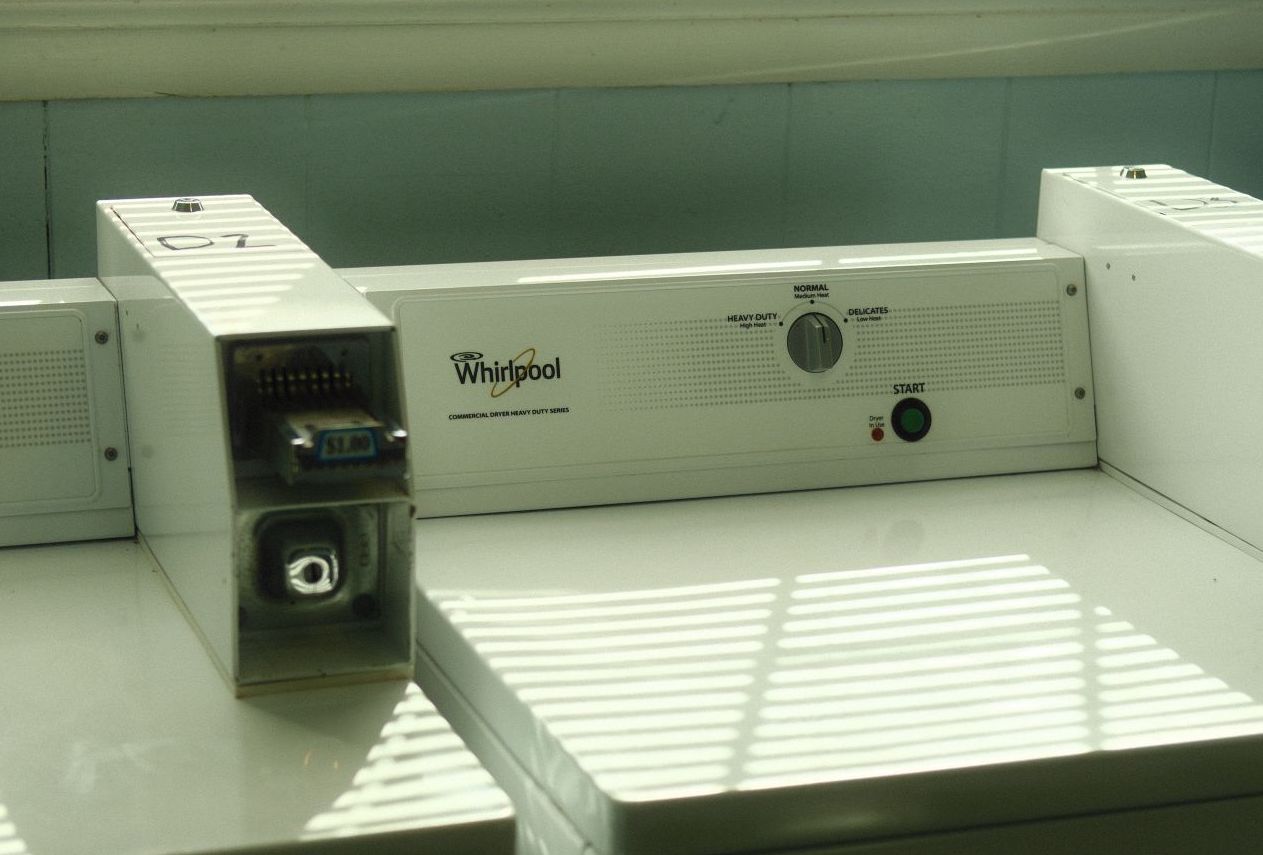
You simply collect a percentage of the revenue generated each month while the vendor takes care of the maintenance, keeping the process completely hands-off for you.
Offer Furnished Add-Ons
The rental market in Massachusetts heavily features traveling nurses, graduate students, and corporate professionals who need temporary, turnkey housing. Offering a fully furnished unit caters directly to this high-demand demographic.
You do not need to purchase high-end furniture to make this work. Sourcing durable, mid-tier couches, beds, and essential kitchenware from wholesale retailers gets the job done efficiently.
List these specific units as furnished options in your marketing materials, clearly stating the additional monthly fee required for the added convenience and flexibility.
Implement Convenience Fees for Payments
Accepting credit card payments is incredibly convenient for your tenants, but those heavy EXTmerchant processing fees quickly eat into your profit margins.
Implementing a small convenience fee for credit transactions allows you to offer flexible payment options without sacrificing your net income. It is a standard practice that keeps your finances entirely protected.
Set up your online payment portal to automatically apply a percentage fee, typically around two to three percent, only when a tenant chooses a credit card.
Be sure to clearly outline this policy in your lease agreements and provide free alternatives like ACH bank transfers. This ensures full transparency while keeping extra cash in your pocket.
Enforce Late Fee Clauses Consistently
Every lease you sign in Massachusetts likely includes a late fee clause, but many landlords hesitate to enforce it out of guilt or fear of conflict. Failing to charge these fees silently trains your tenants that deadlines are merely suggestions.

Review your lease to ensure the late fee amount and grace period comply with local state laws. Once verified, set up an automated system that sends a friendly reminder the day before the grace period ends.
If the rent remains unpaid, apply the late fee to their account immediately without exception, demonstrating that your policies are strictly business.
Reduce Vacancy Losses Through Speed
Time is your most valuable asset when a tenant moves out. Even in a competitive market like Massachusetts, every day an apartment sits empty you lose out on crucial revenue.
Minimizing the turnover window is exactly like increasing your rent, because retaining those steady monthly payments prevents the devastating financial drain of long-term vacancies.
High demand means you need to prepare your rental fast, so build a reliable network of cleaners, painters, and handymen who can enter the unit the exact morning a tenant hands over the keys.
Pre-market the property during the final weeks of the current lease. Having a waitlist of interested applicants ensures you can sign a new lease within hours of finishing the final walkthrough.
Capitalize on Amenity Advertising
Your property likely has highly visible physical spaces that local businesses would love to access. Lobby walls, secure bulletin boards, and even exterior fences are valuable marketing real estate.

Renting out this advertising space to nearby restaurants or service providers creates a completely passive income stream that does not impact your tenants’ daily lives at all. Identify high-traffic areas within your building and determine fair monthly rates for different sized displays.
Reach out directly to neighborhood cafes, gyms, or cleaning services that want to target local residents. Draft a simple agreement outlining the ad placement and duration, then collect a recurring fee for allowing them to display their promotional materials.
The Bottom Line
Figuring out how to increase your income without raising rent can feel overwhelming. That is where we step in. At J. Butler Property Management, we help Massachusetts rental property owners uncover hidden revenue streams and streamline operations.
Whether optimizing your setup or adding new amenities, our team is ready to guide you. Reach out to us today to discuss all your options and discover exactly what strategies will be right for your specific properties.
Frequently Asked Questions About Increasing Income Without Increasing Rent
Which Income-Generating Improvements Should Massachusetts Landlords Consider First?
Start with opportunities that use features your property already has, such as parking, storage, or laundry facilities. Compare the potential income with installation, maintenance, administrative, and compliance costs before moving forward. Lower-cost improvements may be easier to test before making a larger investment.
Can Massachusetts Landlords Charge Tenants For Water Or Electricity Separately?
It depends on the utility, property, and metering arrangement. Massachusetts has specific requirements for utility billing in residential rentals, including rules governing electric and water submetering.
Before changing how utilities are billed, review the applicable requirements and consult a qualified professional to confirm the arrangement is permitted.
Are Late Fees A Reliable Way To Increase Rental Income In Massachusetts?
Late fees should not be viewed as a simple income strategy. Massachusetts law places restrictions on when residential landlords can impose penalties or interest for late rent.
Review the lease and current state requirements before charging a late fee, and obtain qualified legal guidance if you are unsure whether a provision is enforceable.
What Should Landlords Calculate Before Adding A New Property Fee Or Amenity?
Calculate the expected revenue alongside all related expenses, including installation, maintenance, replacement, administration, and payment-processing costs. Also consider whether permits, lease changes, or other compliance requirements apply.
Comparing projected net income with the upfront investment can help you determine whether an improvement makes financial sense.
How Can Landlords Reduce Income Lost During A Vacancy?
Begin preparing for turnover before the property becomes vacant whenever possible. Identify repairs, coordinate vendors, prepare marketing materials, and organize the leasing process in advance.
While no landlord can guarantee a specific leasing timeline, reducing avoidable delays can help limit the amount of time a property produces no rental income.
Is Furnishing A Massachusetts Rental A Good Way To Increase Property Income?
It can be, depending on the property and local demand. Before offering a furnished rental, compare the potential additional income with furniture, replacement, cleaning, storage, and maintenance expenses.
Review the lease and applicable requirements as well, and avoid assuming that a furnished unit will automatically generate a specific premium.
How Can A Property Manager Help Increase Income Without Raising Rent?
A property manager may help identify operational opportunities while handling services such as leasing, rent collection, maintenance coordination, and financial oversight, depending on the management agreement.
Owners can evaluate whether professional management makes sense by comparing the potential operational benefits with the management costs and responsibilities they would otherwise handle themselves.
Get in Touch
 2500 MAIN ST #105
TEWKSBURY, MA 01876