

5 Easy Ways to Get More Rent for Your Boston MA Home
June 19, 2026
5 Easy Ways to Get More Rent for Your Boston MA Home
Key Takeaways:
- Boost rental value without major renovations by focusing on strategic upgrades that improve tenant perception and overall property appeal.
- Enhance curb appeal and modernize key spaces like the kitchen to attract more interest and justify higher rental rates.
- Invest in energy-efficient features and pet-friendly policies to stand out in Boston’s competitive rental market and appeal to a broader tenant pool.
- Professional property management can maximize income through optimized pricing, reduced vacancies, stronger tenant retention, and efficient operations.
Raising rental income is not always about charging more. In many cases, it’s about creating a property that renters perceive as more valuable. Boston’s rental market is competitive, and prospective tenants often compare multiple properties before making a decision. Homes that are well-maintained, thoughtfully updated, and aligned with renter preferences tend to attract stronger interest and justify higher rental rates.
The good news is that increasing your property’s earning potential does not necessarily require a major renovation. Strategic improvements and smart management decisions can often produce meaningful results.
J. Butler Property Management has put together this guide, showing you five practical ways to increase the rental value of your Boston home.
1. Improve the First Impression
Before renters even step inside, they begin forming opinions about the property based on how it looks from the outside.
The exterior of your home plays an important role in how prospects perceive its overall condition. Peeling paint, overgrown landscaping, worn entryways, or poor lighting can make an otherwise attractive property feel neglected.

Simple improvements such as refreshing exterior paint, updating house numbers, improving outdoor lighting, and maintaining landscaping can create a more polished appearance. In Boston’s diverse neighborhoods architectural character often matters, so preserving historic curb appeal can help a property stand out from competing rentals.
Well-maintained exteriors also suggest that the rest of the property has received similar attention and care. Creating a welcoming entrance can encourage prospective tenants to view the home more positively from the start. Curb appeal often influences whether a prospective tenant schedules a showing or continues scrolling.
2. Give the Kitchen a Modern Refresh
For many renters, the kitchen is one of the most important rooms in the home.
Fortunately, increasing its appeal does not always require a full remodel. Repainting cabinets, replacing outdated hardware, updating faucets, and installing a new backsplash can dramatically improve the space without requiring a substantial investment.
Storage is another feature that renters consistently value. Adding shelving, pantry organization, or functional cabinet solutions can make the kitchen feel more practical and attractive.
Even modest updates can make an older kitchen feel cleaner, brighter, and more functional. Prospective tenants often pay close attention to this space because it plays such a central role in daily life. When prospective tenants see a clean, updated kitchen, they often associate the entire property with better overall quality.
3. Focus on Features That Reduce Utility Costs
Many Boston renters pay close attention to monthly living expenses beyond rent. Energy-efficient upgrades can make your property more appealing while helping tenants manage utility costs.
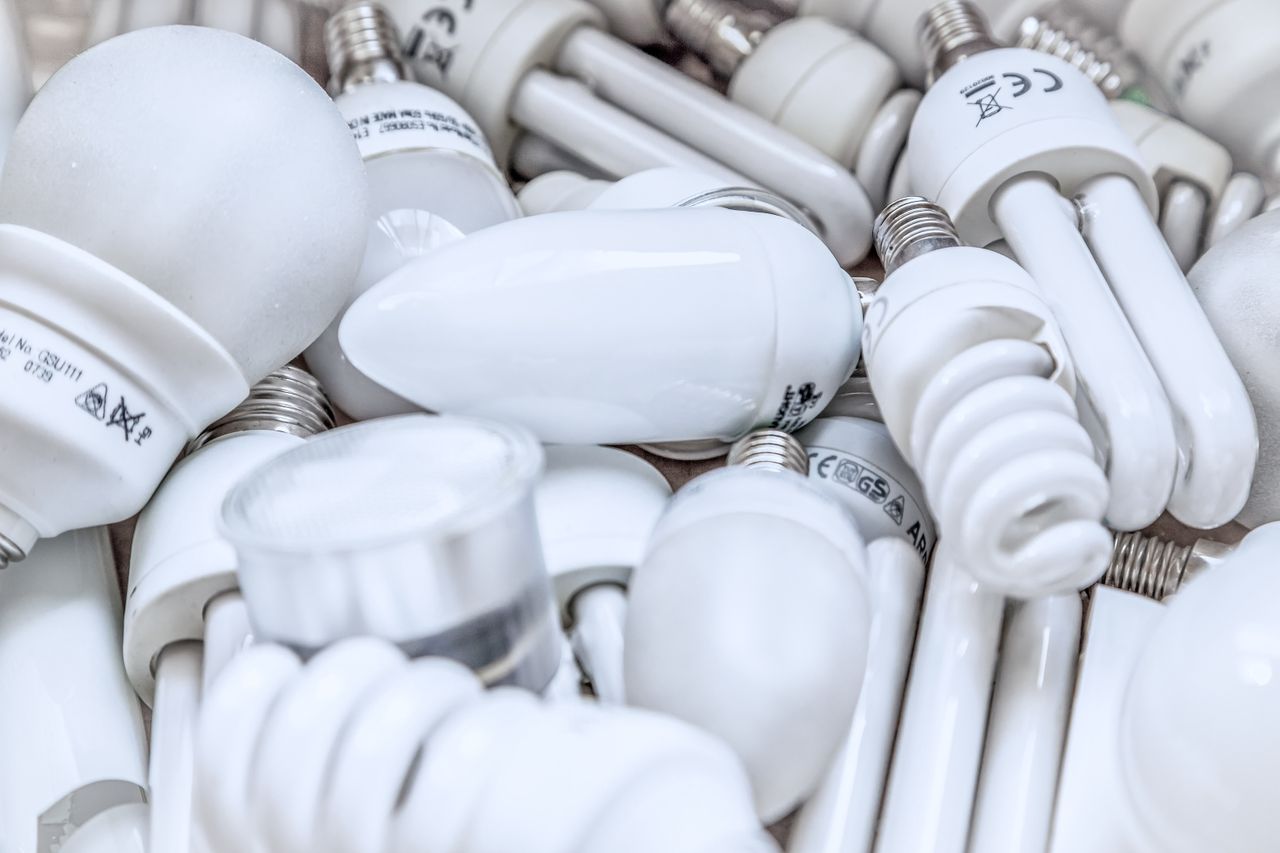
LED lighting, programmable thermostats, efficient appliances, and improved insulation are examples of upgrades that can add value without significantly increasing maintenance demands. These improvements can also benefit property owners by reducing wear on systems and lowering operating expenses over time.
In a market where affordability remains a concern, cost-saving features can help differentiate your property from competing rentals. Renters often appreciate upgrades that make monthly expenses more predictable. As utility costs fluctuate, energy-conscious features continue to attract attention from renters looking for long-term affordability.
4. Consider a Pet-Friendly Approach
More renters than ever share their homes with pets. Properties that accommodate responsible pet owners often attract a larger pool of applicants than properties with strict no-pet policies. In some cases, landlords may also be able to generate additional revenue through pet fees or pet rent where permitted by law.
Of course, allowing pets should be accompanied by clear policies and expectations, and proper screening procedures. Durable flooring, secure fencing, and well-defined lease terms can help minimize potential concerns.
Many renters consider pet-friendly housing a priority when searching for a new home. Offering this flexibility can help reduce vacancy periods while expanding your potential tenant base. When managed properly, a pet-friendly strategy can become a competitive advantage in a crowded rental market.
5. Maximize Value Through Professional Management
One of the most overlooked ways to increase rental income is improving how the property is managed. Professional property managers understand local rental trends, pricing strategies, tenant expectations, legal regulations and market conditions.

They can help determine whether your property is under-priced, identify opportunities for value-enhancing improvements, and position the home effectively when marketing it to prospective tenants.
Beyond pricing, professional management can contribute to stronger tenant retention, reduced vacancy periods, more efficient maintenance coordination, and supporting and implementing other forms of income. These factors can have a significant impact on long-term profitability.
Professional managers can also help landlords avoid common mistakes that may limit a property’s earning potential. Their market knowledge and operational experience often lead to more informed decisions throughout the leasing cycle.
The highest-performing rental properties often benefit from systems and processes that individual landlords may not have the time or resources to implement consistently.
Think Beyond Rent Alone
When evaluating ways to increase rental income, it is important to consider the entire rental experience. Higher rents are easier to achieve when tenants believe they are receiving meaningful value in return. A well-maintained property, responsive management, modern features, and clear communication all contribute to a stronger resident experience.
Positive tenant experiences can also lead to longer tenancies and lower turnover costs. Residents are often more willing to renew their leases when they feel comfortable, supported, and satisfied with the property. In many cases, tenants are willing to pay more for a home that feels professionally managed and consistently cared for.
The Bottom Line
Increasing the rental value of your Boston home does not necessarily require expensive renovations. Strategic upgrades, energy-efficient improvements, stronger curb appeal, pet-friendly policies, and professional management can all contribute to higher rental income and stronger tenant demand.
Small improvements often produce significant results when they align with what renters value most. Consistently maintaining and improving your property can help it remain competitive in a dynamic rental market.
J. Butler Property Management is here to help with all your upkeep and optimization needs. Contact us today to get started!
If you’d like expert guidance on pricing, marketing, maintenance, and property management, partner with an experienced property management team.
Contact us today to learn more and get started.
Get in Touch
 2500 MAIN ST #105
TEWKSBURY, MA 01876